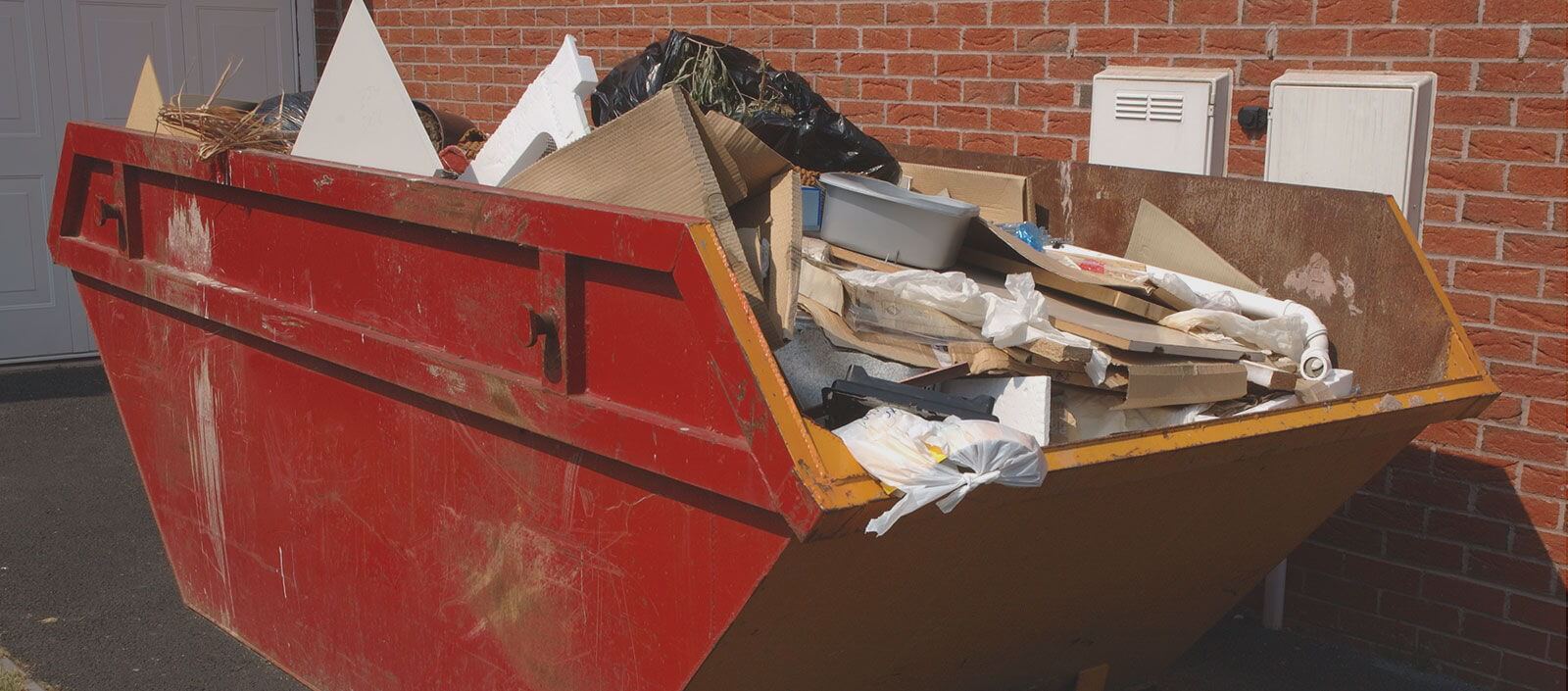
Kew Gardens household rubbish collection local guide
Posted on 04/09/2026

If you live in Kew Gardens and the rubbish is starting to pile up, you are not alone. Bin day comes around, the spare room fills with boxes, or a broken chair quietly becomes a week-long inconvenience. A good Kew Gardens household rubbish collection local guide should make all of that feel simpler, clearer, and a bit less annoying.
This guide explains how household rubbish collection works locally, what to do with common items, how to avoid the usual mistakes, and when a professional collection is worth it. Whether you are clearing out after a move, tackling a full declutter, or just trying to get rid of awkward bulky waste, the aim here is practical advice that actually helps.
Let's face it: rubbish is never the exciting part of a home. But handled well, it saves time, avoids fines or fly-tipping headaches, and keeps your home tidy without the stress spiral.
Why Kew Gardens household rubbish collection local guide Matters
Kew Gardens has its own rhythm. Some homes are compact and neatly managed; others are family properties with lofts, sheds, and the odd forgotten corner that seems to collect everything except calm. Because of that, rubbish collection is not just about tidiness. It is about keeping domestic spaces liveable, making room for day-to-day life, and handling waste properly in a busy part of southwest London.
A local guide matters because household waste is rarely one-size-fits-all. A few bags of general waste are easy enough. A mattress, old wardrobe, broken freezer, or garden cuttings after a weekend clear-up? Not so simple. You need to think about what can go in the bin, what needs separate handling, and what should be collected by a licensed waste carrier.
There is also the local reality of limited space. In Kew Gardens, many residents do not have generous driveways or easy storage for rubbish waiting to be moved. That means timing, access, and efficient loading matter more than people sometimes expect. A missed collection or badly sorted pile can sit there for days, which is never ideal. Not lovely to look at either.
For anyone comparing options, it can help to understand the broader service picture first. The site's services overview gives a useful sense of the different collection and removal options available, especially if your rubbish is mixed rather than straightforward.
How Kew Gardens household rubbish collection local guide Works
Household rubbish collection usually falls into one of three patterns: regular council-style bin disposal, ad hoc bulky waste pickup, or private rubbish collection for faster, more flexible clearance. In practice, many homes use a mix of these depending on what needs removing.
For ordinary black bag waste, recycling, and food waste, the local collection system tends to be the default option. The trick is knowing what belongs in each stream and keeping contamination low. A pizza box with grease stains, for example, can be a small but common trip-up. So can garden bags filled with soil, rubble, or mixed junk that was never really garden waste in the first place.
Private household rubbish collection is different. It is useful when you have items that are too bulky, too heavy, too awkward, or simply too urgent for standard bin rounds. That could be furniture, white goods, old loft clutter, or a garage clear-out that has got out of hand.
If you are choosing a private collection, expect the process to be fairly straightforward:
- List the items or take photos.
- Check whether the waste is general, recyclable, bulky, or specialist.
- Request a quote or collection estimate.
- Confirm access details, such as stairs, narrow hallways, or parking limits.
- Arrange a pickup time.
- Make sure the waste is ready and safe to lift when the team arrives.
If you are dealing with a bigger clear-out, the related rubbish collection service and broader waste removal options can be especially useful for mixed loads. And if the job turns into a proper home clear-out, the house clearance service is usually the more practical route.
Key Benefits and Practical Advantages
Good rubbish collection is not glamorous, but it solves problems quickly. That is the real value.
- Saves space at home: Clearing waste restores room in kitchens, hallways, lofts, and gardens.
- Reduces stress: A visible pile of rubbish has a way of hanging over you. Getting it gone makes a surprising difference.
- Improves safety: Sharp items, broken glass, unstable furniture, and heavy bags can all become hazards if left around.
- Helps with moves and renovations: Before a move or a refurb, waste piles up fast. Regular disposal simply keeps the project moving.
- Supports better recycling: When waste is sorted properly, recyclable materials have a better chance of being handled responsibly.
- Can be faster than waiting: A timely collection is often the difference between a one-day job and a whole week of clutter.
There is also a less obvious benefit: mental bandwidth. A tidy home feels easier to manage. You notice the light more, the floor space more, even the small things. A clear room can feel like the kettle has finally switched off in your head. Slightly dramatic maybe, but true.
For households with furniture, appliances, or awkward bulky items, specialist services can make the process less messy. Furniture disposal and white goods and appliance disposal are often better than trying to wrestle large items to the kerb yourself.
Who This Is For and When It Makes Sense
This guide is for anyone in Kew Gardens who wants a more organised, less wasteful way of dealing with household rubbish. That sounds broad because it is broad. Real homes are messy, and rubbish does not arrive in neat categories.
It is especially useful if you are:
- clearing out after a tenancy change or house move
- decluttering a loft, shed, or garage
- getting rid of old furniture or broken appliances
- doing a post-renovation tidy-up
- preparing a property for sale or letting
- managing garden waste after seasonal pruning
- trying to avoid repeated trips to a disposal site
Sometimes the job starts small. A chair here, a few bags there. Then it turns into a full day of lifting, sorting, and muttering, "Where did all this come from?" If that sounds familiar, a professional collection can be a relief rather than a luxury.
Households are not the only ones who benefit, either. Some local landlords, property managers, and small home-based businesses in the area find it easier to use a structured collection service than to juggle waste piecemeal. For those who are in between domestic and commercial needs, the commercial waste removal option can be relevant, though only where the waste is genuinely business-related.
Step-by-Step Guidance
If you want a cleaner process and fewer surprises, follow a simple sequence. It sounds basic, but the basics save most of the hassle.
1. Identify what you are actually throwing away
Separate waste into rough groups: general rubbish, recyclable items, furniture, electricals, garden waste, and anything hazardous or awkward. You do not need a perfect audit. Just enough structure to avoid everything becoming one giant heap in the hall.
2. Check the access and volume
Ask yourself how much waste there is and how easy it will be to remove. Is there parking nearby? Narrow stairs? A basement? Small details matter. In a place like Kew Gardens, access can be the difference between a smooth 20-minute job and a much longer one.
3. Decide whether standard collection or specialist removal is better
If it is ordinary household waste, routine collection may be enough. If you have bulky, heavy, or mixed waste, a dedicated service is usually the cleaner option. The more mixed the load, the more likely specialist handling becomes worthwhile.
4. Make items safe and ready
Remove sharp edges where possible, empty drawers, and tape doors shut on items that could swing open. If you are clearing a loft, watch for dust, insulation, and the odd surprise from years ago. Old Christmas decorations and broken furniture have a strange habit of breeding up there.
5. Ask for clear pricing information
Good providers will explain how pricing is usually based on volume, item type, labour, access, or collection urgency. If a quote feels vague, ask for clarification before booking. That conversation is worth having upfront.
6. Arrange collection and keep the waste accessible
On the day, keep items together and easy to reach. If the team has to search room by room, the process slows down. Small effort upfront. Much easier later.
Expert Tips for Better Results
After plenty of real-world clear-ups, a few patterns become obvious. The people who have the smoothest experience usually do three things well: they sort early, communicate clearly, and avoid leaving the job until it becomes urgent.
- Book before the clutter becomes critical: Emergency tidying rarely feels calm. It is better to plan while the situation is still manageable.
- Take photos of the waste pile: Photos help with accurate estimates and reduce misunderstandings.
- Keep recyclable items separate: Cardboard, metal, and clean wood are often easier to handle if they are not mixed with general rubbish.
- Think about the route out: Clear hallways, protect floors if needed, and make sure pets and children are safely out of the way.
- Do a quick final sweep: The last ten minutes before collection are often the most useful. You spot items you nearly forgot.
A small tip, but a good one: if you are comparing rubbish removal services, look beyond the headline price. Speed, communication, clear disposal practices, and collection flexibility matter just as much. Cheap and chaotic is still chaotic.
For readers who want to understand service quality more broadly, the company's insurance and safety information and waste carrier licence and compliance details are sensible places to build confidence before booking.

Common Mistakes to Avoid
Most rubbish collection problems are avoidable. Usually they come down to assumptions, poor sorting, or underestimating how much stuff is actually there. Very human, really.
- Mixing everything together: This makes recycling harder and can complicate collection.
- Ignoring bulky item restrictions: Sofas, wardrobes, mattresses, and appliances often need special handling.
- Forgetting about access: A collection team cannot magically carry a fridge through a blocked hallway.
- Leaving hazardous items in the pile: Paints, solvents, batteries, and certain electrical items need extra care.
- Not checking who is collecting the waste: Using an unlicensed carrier can create serious problems if waste is dumped illegally.
- Waiting until the last minute: Same-day stress is real, and it often leads to rushed decisions.
One particularly common mistake is assuming every item can be treated the same way. It cannot. A sofa, a sack of garden waste, and an old computer printer are all different jobs. Treating them as identical just creates more friction later.
Tools, Resources and Recommendations
You do not need a truckload of equipment to deal with household rubbish well. But a few simple tools make the job less painful.
- Heavy-duty sacks: Useful for mixed general waste, but do not overfill them.
- Gloves: Basic, practical, and worth it for almost any clear-out.
- Marker pens and labels: Handy for separating recycling, donations, and waste.
- Tape and cable ties: Good for keeping drawers, doors, and loose parts secured.
- Old blankets or cardboard: Helpful for protecting floors and walls during removal.
For larger or mixed jobs, it is often worth using a service that handles collection and disposal in one go. If you are looking at a bigger home clean-up, loft clearance and furniture removal are common add-ons, especially when a property is being emptied room by room.
Garden-heavy households may also find garden waste removal more efficient than trying to bag and store everything until bin day. And if you are in the middle of a move or downsizing phase, the article on decluttering and organising for a move overseas is a helpful read for thinking through what to keep, donate, or remove.
Law, Compliance, Standards, or Best Practice
Household rubbish collection may feel informal, but there are real standards behind it. In the UK, waste should only be handled by appropriate operators, and householders should take reasonable care over who collects their rubbish. That is the plain-English version. If waste is handed to the wrong person and later dumped, it can become your problem too, which is exactly the kind of headache nobody wants.
Best practice usually means:
- checking that a waste collector is properly licensed or authorised
- keeping basic records or invoices where appropriate
- sorting waste into sensible categories
- keeping hazardous materials separate
- using recycling routes where practical
Compliance also overlaps with safety. Heavy lifting, broken items, and electrical waste all carry risks. If you are unsure about an item, it is better to ask than guess. A cautious approach usually saves time in the end.
For more background on responsible disposal and environmental handling, the site's recycling and sustainability guidance is worth a look. It helps frame rubbish collection as part of a wider waste hierarchy rather than just "get rid of it."
Options, Methods, or Comparison Table
Different homes need different approaches. The table below gives a simple comparison of common options for Kew Gardens households.
| Option | Best for | Main advantage | Main limitation |
|---|---|---|---|
| Regular bin collection | Everyday household waste and recyclables | Simple and routine | Not suitable for bulky or urgent items |
| Bulky household pickup | Single large items or small mixed loads | Removes awkward objects | May need advance booking and access planning |
| Private rubbish collection | Mixed waste, declutters, time-sensitive jobs | Flexible and fast | Usually more expensive than standard bin use |
| House clearance | Whole-room or whole-property clearance | Efficient for larger projects | More involved than a simple pickup |
| Specialist item disposal | Appliances, furniture, garden waste | Handles specific materials properly | Often best booked as part of a bigger plan |
For a lot of households, the best answer is not one method forever. It is a mix. Ordinary waste goes through the usual route. Then the bulky stuff gets dealt with in a separate, sensible way.
Case Study or Real-World Example
Consider a typical Kew Gardens household getting ready for a spring clear-out. The loft has old suitcases, broken shelving, a couple of lamps, and boxes that have not been opened in years. The garden has cuttings from a weekend tidy-up, plus a rusting chair that has been "temporarily" left outside since autumn. The kitchen has a dead microwave and a chair that wobbles so much nobody trusts it near the table anymore.
At first glance, this looks like four separate problems. In reality, it is one organised collection job.
The household sorts items into general waste, garden waste, and reusable or recyclable materials. The bulky furniture is set aside for removal. The electrical items are separated so they are not mixed into ordinary rubbish. Access is checked, the path from the front door is cleared, and the team arrives knowing roughly what to expect.
The result is predictable, which is the nice part. No back-and-forth, no last-minute panic, and no pile of bags sitting by the door while everyone pretends not to notice it. By the end of the day, the rooms feel reset. You can hear the floorboards again. That sounds funny, but anyone who has done a big clear-out knows exactly what I mean.
If the same household had a larger project, such as preparing a property for sale, they might combine rubbish collection with a fuller clear-out. In that kind of situation, reading about Richmond property transactions or property purchase considerations can give useful context about timing and presentation. A tidy property simply shows better.

Practical Checklist
Use this before booking a collection. It saves a lot of backtracking later.
- Identify all rubbish, bulky items, and recyclable materials
- Separate garden waste, furniture, and electrical items
- Check whether anything is hazardous or requires special handling
- Measure awkward items if access looks tight
- Clear a path from the waste to the exit
- Confirm parking or loading access where needed
- Take photos if you need an estimate
- Ask about recycling, disposal, and licensing
- Keep children and pets away during collection time
- Do a final sweep for forgotten items before the team arrives
If you are also managing a move, renovation, or business changeover, a little advance sorting makes a world of difference. It is one of those small efforts that pays you back immediately.
Get a free quote today and see how much you can save.
Conclusion
The best Kew Gardens household rubbish collection local guide is not the one with the fanciest language. It is the one that helps you make a sensible decision, clear waste safely, and avoid the usual traps. Whether you are dealing with a few bags, bulky furniture, a loft full of forgotten things, or a full household reset, the same principles apply: sort well, plan ahead, use trusted help where needed, and keep recycling and compliance in mind.
That is usually enough to turn a messy task into a manageable one. And honestly, there is something quietly satisfying about seeing a home breathe again after a good clear-out.
Take it one step at a time. The rest tends to follow.