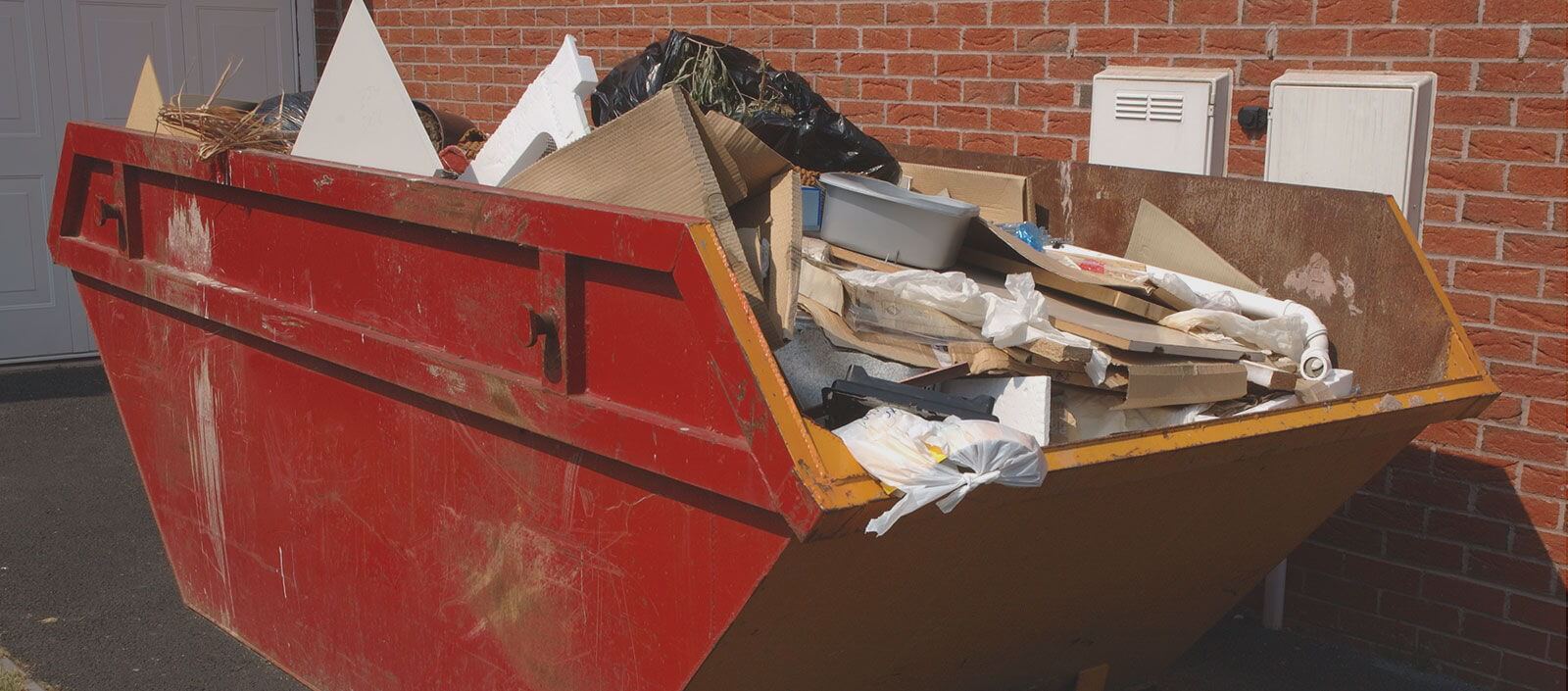
Waste Removal in Richmond upon Thames
Waste Removal Richmond upon Thames provides a practical waste removal service in Richmond upon Thames for homes, landlords, offices and trade customers who need unwanted items taken away in a tidy, organised way. The work covers everyday rubbish collection, bulky item clearance and more focused disposal jobs, with the aim of helping customers clear space without turning the task into a disruption. Different loads need different handling, so the service is best approached by matching the right collection to the right type of waste.
For many customers, the main value is having a straightforward collection arranged around the materials they actually need removed. That might mean a few awkward items from a flat, mixed household waste after a clear-out, or a larger amount of waste from a refurbishment or business move. Our services overview sets out the main options in one place, while the pages for specific services help you choose a clearer fit when the waste is already separated by type.
If you are comparing options, it helps to think about what is being removed, how much there is, and whether access is simple or more awkward than usual. Use the service pages below to narrow the job down, then ask for a quotation when you are ready. A brief description is often enough to begin, and you can add more detail if the load includes mixed items, heavy pieces or materials that need separate handling.
Domestic rubbish and general household clearances
Household waste can build up in sheds, spare rooms, garages and lofts, as well as in the main living areas of a property. A domestic collection is suited to mixed everyday items that are no longer needed, especially when a customer wants them removed without hiring a skip or making repeated trips to a disposal site. The most useful approach is often to separate reusable items, recyclable materials and general rubbish before collection, because that makes the job faster and easier to price.
Our domestic waste collection page is designed for routine household clear-outs, while the rubbish collection service is better suited to mixed refuse that simply needs lifting and removing. These jobs can include bagged waste, small broken items and the kind of clutter that accumulates after a home project. Where there are sharper limits on access or heavier objects, it is worth describing those details clearly so the collection can be planned sensibly.
In many cases, the practical question is whether the load is a simple tidy-up or a fuller clearance involving several rooms. Clear descriptions help the quotation match the work, particularly where items are bulky, stored in difficult places or mixed with materials that should not be treated as ordinary household rubbish. If you are uncertain which option fits best, start with the most accurate description you can provide and use the service page most closely aligned to the main item type.
Bulky items, furniture and appliance disposal
Large household items need more than a basic waste bag service, because they often take longer to move and may need careful handling through stairs, hallways or narrow entrances. Furniture removal and disposal are common requests when sofas, wardrobes, beds or tables have reached the end of their useful life. White goods and appliance disposal may also be needed for fridges, washing machines, cookers and similar items, especially where the customer wants a single collection rather than arranging separate transport.
The furniture removal page covers the movement of bulky household pieces, while furniture disposal is relevant where the main need is to have unwanted pieces taken away for onward handling. For electrical items, the white goods and appliance disposal service is the more suitable route. A simple list of items can be enough to show whether the job involves one large object or several smaller pieces.
When items are very heavy or awkward, the collection method matters as much as the destination. Some customers want a clear out before redecorating, while others need a quick removal after replacement deliveries have arrived. In either case, it is wise to identify anything that needs special lifting or has been disconnected in advance, because that makes the quotation more reliable and the collection easier to organise. If several item types are involved, describe them together so the practical scope is clear from the outset.
Commercial, trade and clearance work
Business waste and clearance jobs are usually less about one-off clutter and more about keeping a site workable, presentable and ready for the next phase of use. Commercial waste removal suits offices, shops and other workplaces that generate routine rubbish or need items cleared as part of a move, refit or downsizing exercise. Builders waste disposal is more specific again, dealing with the kinds of debris that come from renovation and construction work rather than normal office or household rubbish.
For those jobs, the commercial waste removal page covers ongoing and ad hoc business collections, while builders waste disposal is the better fit for rubble, packaging and site debris that need to be cleared after work has progressed. If a project also involves an office floor, the office clearance option is useful where desks, chairs, files and mixed contents all need removing together. These services are related, but each one points to a different kind of load.
Trade and commercial customers often benefit from a more orderly description of the task. A short inventory, an idea of floor level, and whether the items are bagged or loose will usually improve the accuracy of the quotation. If the work includes mixed material streams, it is better to say so plainly rather than treating everything as one generic pile. That approach helps the job be assessed against the right service page and prevents avoidable confusion when the collection is arranged.
House clearance and loft clearance options
House clearance work is broader than ordinary rubbish collection because it may involve a whole property or a substantial part of one. It can include furniture, general household contents, stored boxes and other mixed items that need removing together. The focus is on making the clearance manageable in stages, especially where rooms have been used for storage over time or where several kinds of waste are present in the same space.
Our house clearance service is the right starting point for full or partial residential clear-outs, while the loft clearance page suits items stored overhead or in tighter spaces that need careful access. Loft work can involve lighter clutter, archived belongings, boxes and dismantled household items, but it may also include awkward pieces that need to be moved down stairs or through restricted hatch access. The service chosen should reflect both the contents and the access route.
Where a property is being prepared for sale, letting or refurbishment, clarity on what stays and what goes is particularly important. A clearance can be much smoother if the main categories are identified before the visit, such as furniture, papers, mixed waste or items that need extra handling. Specificity avoids over- or under-scoping the job, which is especially helpful when a property has accumulated a varied mix of contents over many months or years.
About Richmond upon Thames
Richmond upon Thames is a borough in south-west London that combines riverfront scenery, royal heritage and densely developed residential districts. The River Thames forms one of its most distinctive features, especially around Richmond, Kew and Twickenham, where riverside walks and open stretches of water have long shaped the character of the area. Richmond Park, originally created as a royal deer park in the 17th century, remains one of the borough’s defining landscapes, with wide grassland, ancient trees and long views that set it apart from the more built-up streets nearby. Kew Gardens, a UNESCO World Heritage Site, adds a major botanical and architectural landmark with glasshouses, planted collections and historic structures that attract visitors as well as local interest. The borough also includes places such as Hampton, Teddington and Barnes, each with its own centre and built environment, from older village streets to later suburban housing. Richmond Green, Marble Hill and Orleans House are among the many sites that reflect the borough’s long association with leisure, landscape design and historic residences. The area’s transport links, town centres and green spaces sit close together, giving Richmond upon Thames a mixture of urban convenience and open-air character that is unusual within London. Cultural life is supported by theatres, local museums, rowing along the Thames and community events that make use of the river and park settings. As a result, the borough reads less like a single town and more like a collection of interlinked neighbourhoods shaped by both historic prestige and everyday residential life.
Garden waste and outdoor clear-ups
Outdoor waste has its own character, because it is often bulky, green and mixed with soil, cuttings or broken garden materials. Garden waste removal is suitable for pruning debris, hedge trimmings, soil in limited quantities, branches and other unwanted material gathered after maintenance or landscaping work. Customers usually find it easier when green waste is separated from general rubbish, since that keeps the load more orderly and helps avoid unnecessary mixing of different waste types.
The garden waste removal page is the most relevant destination when the job is mainly outdoors and plant-based. This kind of service can also support a garden tidy before a property sale, after seasonal pruning, or once old planters, broken fencing offcuts and similar materials have built up. If the outdoor area contains a broader mixture of rubbish, it is sensible to describe the whole load rather than assuming everything will be treated as green waste.
As with other collection types, access and separation affect the work. A pile at the front of a property is different from waste spread across a rear garden or stored at the bottom of a long path. If there are heavy bags of soil, sharp branches or items that should not be compressed with light cuttings, mention them clearly. That gives a better basis for the quotation and helps the collection proceed without unnecessary delay.
Price, scope and what affects a quotation
Waste removal prices are usually shaped by the nature of the load rather than by a single fixed formula. The type of material, the overall volume, the amount of lifting involved and the time needed to load items all matter. A straightforward collection of bagged rubbish is different from a clearance involving furniture, appliances or mixed materials, so it is sensible to match the quotation request to the actual job rather than to the broadest possible service description.
Prices and pricing and quotes are the best pages to review if you want to understand how the service is presented commercially, while payment and security gives a more practical view of the transactional side. If you are preparing an enquiry, keep the description factual: what needs removing, how much of it there is, whether it is inside or outside, and whether there are stairs or limited access. That level of detail is usually more useful than a long explanation.
Ready to compare the right option for your load? Use the most relevant service page, then request a quotation when the scope is clear. If you need general support across several waste types, you can also revisit the services overview and choose the best fit before you get in touch. For a more direct enquiry, contact us and send the details of your collection request.
Helpful service information and company details
Some customers want reassurance about how a waste removal provider handles its wider responsibilities, particularly when the job involves mixed rubbish or business waste. The waste carrier licence and compliance page explains the compliance side, while insurance and safety is useful for understanding the practical precautions expected on site. These topics do not replace the service pages, but they can help customers feel more confident about the structure of the work.
There are also pages that give a clearer sense of how the business presents itself online, including about us, recycling and sustainability and the published policy pages. Those destinations are not needed for every enquiry, but they can be helpful if you want to understand the company information that sits behind the service offering. For a simple customer journey, though, the main question remains the same: which type of waste needs removing, and which page best matches it?
When you are ready, make the request as clear as possible and keep the final message focused on the job. A concise description is usually enough to start the quotation process, especially if you have already identified the right service area. Send the details that matter most, then let the collection be assessed against the page that best reflects the load you want removed.